
Why a Pre-Fall Roof Inspection Matters in Kansas City, MO
Fall and winter weather in Kansas City can turn a small roofing problem into a full-blown leak faster than most homeowners expect. Scheduling a professional roof inspection before temperatures drop is one of the most practical moves you can make to protect your property. Here's why timing matters, what inspectors look for, and how to head into the colder months with confidence.
Key Takeaways
Fall and winter weather in the Kansas City area-rainy stretches from September through October, then freeze-thaw cycles from November into February-can quickly turn minor roof issues into major leaks. Water that finds a small crack in September can freeze, expand, and rip open a seam by December.
Scheduling a professional roof inspection in late summer or early fall (August through October) helps catch storm damage from spring and summer before cold weather arrives. Experts recommend inspecting roofs in spring and fall for best results, and ideally at least twice a year if your property sits in a high-exposure zone.
Kansas City's mix of hail, high winds, heavy rains, and sudden temperature swings puts extra stress on roofing systems for both residential and commercial properties. Kansas City experiences severe weather that directly impacts roofing needs across the metro.
KanMo Roofing & Exteriors is a local, owner-operated Class A General Contractor offering free roof inspections and honest recommendations-whether the answer is a minor repair or a full roof replacement.
Timely inspections can reduce emergency roof repair costs, protect property value, and give homeowners peace of mind before the holiday and winter seasons arrive.
Understanding Kansas City's Roof-Challenging Climate
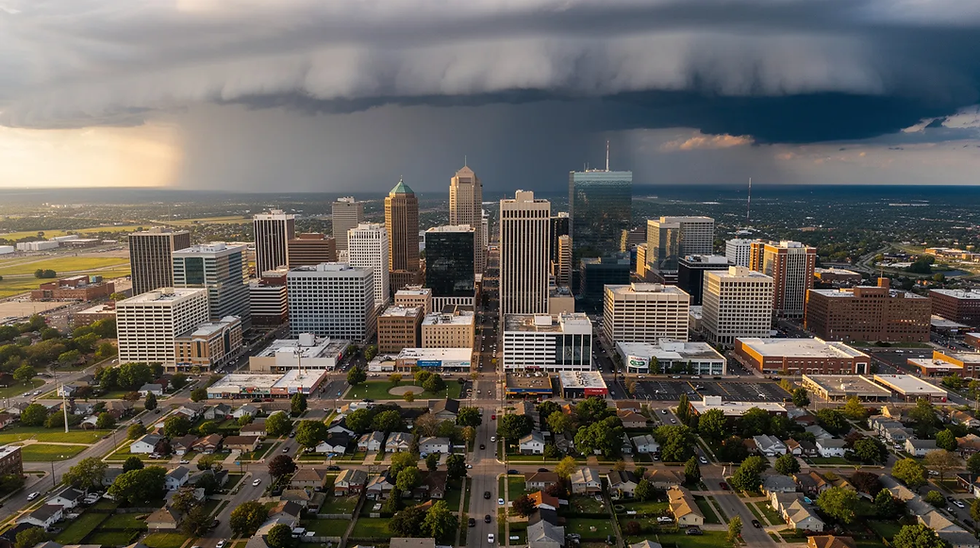
Kansas City, MO sits squarely in the central Midwest, and its four-season climate doesn't cut roofs any slack. Kansas City has a humid continental climate with extreme temperature swings-humid summers that push past 90°F on roughly 36 days per year, stormy springs that regularly produce damaging hail, and cold winters that test every fastener, seal, and shingle on your property. Kansas City is a vibrant cultural and economic hub in the American Midwest, but the weather that comes with its geography is unforgiving on rooftops.
Spring and early-summer severe weather: Thunderstorms, hail, and high winds regularly impact the Kansas City area from April through June. May is the peak month for hail events, and the metro averages over 63 hail reports per year within a 25-mile radius-many involving stones one inch or larger.
Late-summer and fall rains: After the worst of storm season passes, September and October bring steady rains that exploit any vulnerability created earlier in the year. A cracked shingle or a loose flashing detail that survived summer will start leaking under persistent fall precipitation.
Winter conditions: Kansas City experiences an average of 13.4 inches of snowfall annually, along with freezing rain and ice. The metro averages roughly 80 freeze-thaw days per winter, where overnight temperatures drop below 32°F and rise above freezing during the day. These cycles pry up fasteners, split underlayment, and create ice dams.
This seasonal pattern makes Kansas City's roofs more vulnerable than those in milder climates, and it's exactly why proactive roof inspection before fall is particularly important.
Why Late Summer and Early Fall Are Ideal for Roof Inspections
August through early October is the sweet spot for roof inspections in the Kansas City area. By this window, most of the year's severe weather has already happened, temperatures still cooperate for repairs, and you have time to act before the first hard freeze-which historically arrives around October 23 on average.
Comfortable temperatures and typically drier weather allow inspectors to work safely and thoroughly. Roofing materials like sealants and adhesives also cure more reliably in moderate conditions (daily highs in the 70s–80s°F), giving repairs the best chance of lasting through winter.
Cumulative damage is visible. By fall, your roof has absorbed spring hail, summer UV exposure, and wind events. A single inspection can capture the full picture instead of chasing individual problems throughout the year.
Better contractor availability. Summer emergency storm calls tend to slow by late August, so homeowners typically get faster appointment times and more scheduling flexibility before the season's first hard freeze.
Waiting until November or later pushes needed repairs into cold, wet conditions. Materials may not seal properly below 40°F, safety risks increase on icy surfaces, and contractor costs often rise for emergency winter work.
Common Roof Problems in Kansas City Homes and Businesses
During fall inspections across Kansas City MO, our team at KanMo Roofing & Exteriors consistently finds a handful of recurring issues on both residential and commercial roofing systems. Catching these before winter is the difference between a manageable repair and a costly emergency.
Asphalt shingle damage: Asphalt shingles are popular for Kansas City's climate because they handle temperature swings reasonably well, but they're not invincible. Granule loss from hail, curling edges from UV exposure, and cracked or missing shingles are among the most common findings. Asphalt shingles withstand Kansas City's varying weather conditions, yet they still need regular attention.
Flashing problems: Around chimneys, skylights, and wall intersections, deteriorated or improperly installed flashing creates slow leaks. Older KC neighborhoods are especially prone to this-flashing details from decades ago simply don't hold up to today's storm intensity.
Flat and low-slope commercial roofs: Ponding water, membrane blisters, and seam separations are commonly found on warehouses, retail buildings, and office properties. These issues worsen dramatically when water freezes in place during winter.
Gutter and downspout issues: Clogs, improper slope, and loose fasteners push water back toward fascia boards and roof edges, contributing to wood rot and ice dam formation.
Wood rot and soft spots in roof decking and eaves often trace back to long-term minor leaks or inadequate ventilation-problems that may not be obvious from the ground but show up clearly during an inspection.

How Kansas City Storm Damage Shows Up on Your Roof
Many Kansas City homeowners aren't sure what hail and wind damage actually look like from the ground. That's part of the problem-damage hides in plain sight until a leak announces itself inside the house.
Typical hail damage: Bruised shingles with small impact divots, exposed fiberglass mat beneath the granule layer, dented metal vents, and dings along gutter edges. Even moderate hail (1-inch stones) can compromise the waterproof integrity of a shingle. One recent event near Kansas City produced hailstones as large as 4.50 inches-enough to destroy a roof in minutes.
Wind damage: Uplifted shingle tabs, creased or folded shingles along ridges and edges, and missing sections after gusts exceeding 50 mph. Ridge caps and hip shingles are particularly vulnerable.
Heavy rain indicators: Water stains on ceilings, damp attic insulation, and musty odors after prolonged storms all signal that water is finding its way inside.
Even if Kansas City's streets and yards look fine after a storm, the roof surface often tells a different story. Hidden damage can quietly reduce a roof's longevity for years before a visible leak appears.
Post-storm inspections help assess damage from harsh weather and should be scheduled any time a significant hail or wind event moves through your area-don't wait until fall leaks appear inside the home.
Why a Pre-Fall Roof Inspection Saves Money Long-Term
Early detection is the most reliable way to keep roofing costs manageable. For Kansas City homeowners and property managers, the math is straightforward: fix a $300 problem in September or pay $3,000 for the same problem in January after water has soaked insulation, warped drywall, and invited mold.
Catching small issues before winter (loose shingles, minor flashing gaps, cracked pipe boots) prevents interior drywall damage, insulation saturation, and mold growth that can spread behind walls unnoticed.
Regular inspections can extend the life of an existing roof by addressing isolated problem areas rather than forcing a premature full roof replacement. Regular inspections prevent minor issues from escalating into system-wide failures. Roof inspections can save homeowners from costly repairs that compound over time.
Insurance benefits: Properly documented storm damage in the same calendar year can support timely claims before problems worsen. Insurers often distinguish between covered storm damage and uncovered "wear and tear." The sooner damage is documented, the stronger the claim.
Avoiding emergency winter repairs: Calls for roof repair in December through February typically cost more due to hazardous working conditions, shorter daylight hours, and limited material availability.
What Happens During a Professional Roof Inspection
KanMo Roofing & Exteriors follows a structured, safety-focused roof inspection process for Kansas City properties. Here's what the initial inspection looks like from start to finish.
Exterior ground-level assessment: Photographing and noting obvious issues such as missing shingles, sagging gutters, visible fascia damage, and granule buildup in downspout splash areas.
Roof-surface inspection (where safe and appropriate): Walking all roof planes, checking ridge, hips, and valleys. Examining penetration points-vents, chimneys, skylights, pipe boots-for wear, cracks, gaps, and failed sealant.
Attic check (if accessible): Looking for daylight through the roof deck, moisture staining on sheathing, mold or mildew, wet insulation, and confirming that ventilation pathways are open and insulation is adequate to reduce heat buildup and ice dam risk.
Documentation: Every inspection includes photos, notes on problem areas, and a clear report that distinguishes between maintenance items, needed roof repair, and potential roof replacement options-organized by priority level.
Plain-language explanation: Reports are reviewed with the homeowner. There's time for questions, and nothing moves forward without clear understanding and agreement.

Roof Repair vs. Roof Replacement: Making the Right Call
A pre-fall inspection gives you the information you need to decide between a targeted roof repair and a full new roof before winter hits. That decision depends on age, extent of damage, and long-term cost.
Roof repair is usually sufficient when damage is localized, the roof is relatively young (for asphalt shingles, often under 12–15 years), and there's no widespread granule loss or underlayment failure.
Roof replacement makes more sense when leaks recur in multiple areas, storm damage is extensive, or the roof has reached the end of its expected service life. Three-tab asphalt shingles typically last 15–20 years in Kansas City's climate, while architectural shingles can push 20–30 years with proper maintenance.
Homeowners in older Kansas City neighborhoods-Brookside, Waldo, Independence, and similar areas-should plan ahead if their roofs are over 20 years old. Metal roofing offers excellent resistance against hail and high winds with lifespans of 40–70 years. Tile roofing is durable but requires a strong structural system to handle the extra weight, making it better suited for homes engineered to support it.
KanMo Roofing & Exteriors presents side-by-side estimates so clients can compare the short-term and long-term cost impacts of repair versus replacement-no guesswork required.
Special Considerations for Commercial Roofing in Kansas City
Kansas City business and property owners with flat or low-slope roofs face a distinct set of challenges heading into fall and winter. Commercial roofing failures don't just damage the building-they interrupt operations, destroy inventory, and generate tenant complaints at the worst possible time.
Common commercial roofing systems in the area include TPO (thermoplastic polyolefin), EPDM (rubber membrane), and modified bitumen. Each has specific vulnerabilities: TPO seams can fail after hail impact, EPDM adhesive joints degrade with age, and all flat membranes are susceptible to ponding water.
Fall inspections identify drainage problems before they freeze in place-clogged scuppers, compromised flashings around HVAC units, and areas where water pools instead of flowing to drains.
Financial stakes are high: A leak over a retail space during the fall shopping season or over a warehouse holding temperature-sensitive inventory can cost far more than the roof repair itself. Business interruption is the hidden expense most property owners underestimate.
KanMo Roofing & Exteriors offers maintenance programs and scheduled commercial roofing inspections tailored to Kansas City's climate, helping property owners stay ahead of costly failures.
Protecting Your Home's Exterior Beyond the Roof
A roof doesn't work in isolation. Its performance depends on the entire exterior envelope of a Kansas City home-gutters, siding, windows, and trim all play a role in keeping water out.
Gutters: Clean, properly sized, and correctly sloped gutter systems move water away from foundations during fall rains. Clogged or damaged gutters push water under roof edges and into fascia boards.
Siding: Warped, cracked, or rotten siding on older Kansas City houses can indicate hidden moisture problems that start at the roofline and migrate downward behind exterior walls.
Windows and trim: Failing caulk, soft wood, and drafts tend to worsen during winter if not addressed after a roof issue. A window that leaks air in October will leak water by December.
KanMo Roofing & Exteriors also handles siding, windows, wood rot repair, decks, and exterior painting-offering a comprehensive exterior solution through a single contractor rather than coordinating multiple projects with multiple crews.
How Roof Inspections Support Kansas City's Historic Homes and Districts
Kansas City's historic neighborhoods and older housing stock near the downtown area, the jazz district, and midtown areas carry architectural character that's worth preserving-but they also carry roofing challenges that newer construction doesn't face. Kansas City played a pivotal role in the evolution of American jazz during the 1920s and 1930s, and that rich jazz heritage linked to its historical nightlife still defines neighborhoods where live music venues sit alongside century-old homes. Kansas City has transformed warehouses into cultural hubs in the Crossroads Arts District, and many nearby residential streets feature homes with original roofing details that deserve careful attention.
Unique challenges of older homes: Multiple roof layers stacked over decades, outdated flashing details, and complex rooflines around dormers and additions all increase inspection complexity. These roofs often hide problems that newer, simpler designs wouldn't.
Preserving character while upgrading performance: Regular inspections help maintain original architectural details while identifying where modern materials can replace what's failing-without changing the look of the home.
Protecting interior features: Historic plaster walls, wood trim, and hardwood floors are more susceptible to moisture damage than drywall and laminate. A small roof leak in a 1920s bungalow can cause disproportionate interior damage.
Neighborhood and historic district guidelines: Some areas have specific requirements about roofing materials and colors. A knowledgeable contractor will know what's permitted before recommending a roof repair or new roof installation.
Beyond the homes themselves, visitors to Kansas City can explore attractions like the Nelson-Atkins Museum of Art, which offers free general admission and extensive collections, or visit the National WWI Museum and Memorial-the official museum dedicated to World War I. Kansas City is nicknamed the City of Fountains due to over 200 fountains scattered across the metro. For those who want to discover more about the city's culture, Kansas City barbecue is characterized by slow-smoked meats and distinct sauces, and the city features a strong sports culture with teams like the Chiefs and Royals.
Real Estate, Roof Inspections, and the Kansas City Market
Pre-fall roof inspections aren't just about weatherproofing-they're a smart real estate strategy in the Kansas City area. Kansas City has a relatively low cost of living compared to coastal cities, which keeps the housing market active and competitive.
A recent roof inspection can reassure buyers and help homes stand out during fall listing seasons. Buyers are more confident when they see documented proof that the roof is sound.
Unresolved roof issues often surface on buyer inspections, delaying closings or forcing last-minute price concessions. A proactive seller inspection eliminates surprises.
KanMo Roofing & Exteriors offers a realtor program with quick assessments and documentation for listings, helping agents and sellers move through transactions smoothly.
Pre-listing inspections for older roofs let sellers know whether to repair, replace, or adjust pricing before going on the market-a straightforward way to avoid negotiation headaches.
Safety and DIY: What Homeowners Should (and Shouldn't) Do
Safety on steep roofs and multi-story homes common in Kansas City MO is not something to take casually. Every year, homeowners are injured attempting roof work that should have been left to professionals.
Safe DIY checks from the ground: Use binoculars to scan for missing or damaged shingles, watch for gutter overflow during rain, and check your attic for moisture stains or daylight coming through the roof deck.
Do not climb steep or wet roofs, especially during leaf season when surfaces become slippery. A fall from even a single-story roof can result in serious injury.
Avoid temporary "caulk-only" fixes on significant leaks. Caulk applied over a damaged area rarely holds through winter's freeze-thaw cycles and can actually trap moisture underneath.
Licensed, insured roofing companies should handle all on-roof work. The risk of personal injury and further property damage isn't worth the savings of a DIY attempt.
Financing and Budgeting for Roof Work Before Winter
Many Kansas City homeowners delay inspections because they're worried about what they might find-and what it might cost. That hesitation is understandable, but it almost always leads to higher expenses down the road.
Inspections with KanMo Roofing & Exteriors are free, so there's no upfront cost just to understand where your roof stands. Knowledge doesn't cost anything; ignorance does.
Financing options are available for larger roof replacement or exterior projects, allowing payments to be spread over time rather than requiring a lump sum.
Fall repairs typically cost less than emergency work done after a January or February leak, when contractor availability drops and working conditions drive prices up.
Consider including roof maintenance and inspection in your yearly home-improvement budget, the same way you'd plan for HVAC servicing or furnace checks. It's a predictable expense that prevents unpredictable ones.
How to Choose Roofing Companies in the Kansas City Area
A good inspection starts with choosing the right roofing company-not just the lowest quote. The contractor you trust with your roof inspection is the same one who needs to identify problems accurately and recommend solutions honestly.
Verify proper licensing and Class A General Contractor status for any company operating in Kansas City and surrounding counties. This applies on both the Missouri and Kansas sides of the metro.
Check insurance coverage (general liability and workers' compensation) to protect yourself from liability if an accident occurs on your property.
Look for local experience with Kansas City's climate, storm patterns, and common roofing materials. A contractor from out of state chasing storm work may not understand the nuances of KC's freeze-thaw cycles or hail exposure. GAF Certified contractors offer enhanced warranties for roofing, which is another credential worth asking about.
Read recent reviews, ask about warranty coverage, and choose a company that explains options clearly without high-pressure sales tactics. Roofers who push emergency timelines on non-emergency work are a red flag.
KanMo Roofing & Exteriors is a Kansas City based company that meets each of these standards-licensed, insured, locally experienced, and committed to transparent communication from the first phone call through final cleanup.
Why Work with KanMo Roofing & Exteriors in Kansas City, MO
KanMo Roofing & Exteriors is a locally owned, owner-operated Class A General Contractor serving both Missouri and Kansas sides of the metro. As a longtime resident-run business, the company understands Kansas City's weather, neighborhoods, and what it takes to keep properties protected year-round. Learn more about KanMo Roofing and the team behind the work.
Core services: Residential and commercial roofing (roof repair, roof replacement, new roof installation), plus gutters, siding, windows, wood rot repair, decks, and exterior painting. Roofing services include installation, repair, and replacement options to match every situation and budget.
Free, no-obligation roof inspection appointments before fall, including photo documentation and clear recommendations. No surprises, no hidden fees for the inspection itself.
Storm damage expertise: Experience with insurance documentation for hail and wind claims common in Kansas City's climate, helping homeowners navigate the claims process with proper evidence.
Focus on craftsmanship, warranties, and transparent communication from first call through final cleanup. The company's reputation is built on excellent service, repeat customers, and referrals-not high-volume, low-quality work.
Step-by-Step: Scheduling Your Pre-Fall Roof Inspection
Getting started is straightforward and can usually be done within a few business days during the off-peak season.
Contact KanMo Roofing & Exteriors via phone or through the website to request a free roof inspection in the Kansas City area-whether your property is in KC proper, Independence, Lee's Summit, Overland Park, or another part of the metro.
Confirm basic details: property type (house or commercial building), approximate roof age, and any known issues (recent leaks, visible missing shingles, prior insurance claims).
On inspection day: Expect the process to take roughly 45–90 minutes for a typical single-family home. The team will need attic access if available, so clearing the access point and securing pets ahead of time helps things move smoothly.
Review the report and estimates: You'll receive a written inspection report with photos, recommended repairs, and priority levels (urgent before winter vs. items that can wait until spring). No pressure to decide on the spot.

Seasonal Roof Maintenance Checklist for Kansas City Homeowners
This is a simple, high-level checklist you can follow each fall to stay ahead of problems between professional inspections. For more tips and seasonal guidance, visit the KanMo Roofing & Exteriors blog.
Clean gutters and downspouts before heavy leaf fall and again before the first hard freeze. Clogged gutters are the single most common contributor to fascia rot and ice damming in KC.
Trim overhanging branches that can scrape shingles, drop debris, or snap under ice weight during winter storms.
Monitor attic ventilation and insulation levels to reduce ice dam risk in Kansas City's colder months. Proper airflow keeps the roof deck temperature consistent and prevents snow from melting unevenly.
Visually re-check the roof and ceilings after major fall storms, and call for a quick roof inspection if you notice anything new-a water stain, a missing shingle, or an unusual draft.
Conclusion: Enter Kansas City's Fall and Winter with Confidence
A pre-fall roof inspection is a simple, proactive step that protects Kansas City homes and businesses from costly winter surprises. Inspections uncover storm damage, aging issues, and hidden moisture problems while there's still time-and good weather-to address them properly. Whether your property sits in the northeast part of the metro, south of the Country Club Plaza, or west toward Overland Park, the same climate threats apply.
Don't wait for a leak or visible interior damage to remind you that your roof needs attention. Every corner of the Kansas City metro deals with the same hail, wind, and freeze-thaw cycles-and every roof eventually shows the wear.
Contact KanMo Roofing & Exteriors to schedule your free roof inspection and head into the colder months with the confidence that your property is ready for whatever this season brings.
Frequently Asked Questions
How often should I schedule a roof inspection in Kansas City?
Most Kansas City roofs benefit from inspections at least twice a year-ideally in late summer or early fall and again in spring. You should also schedule a post-storm inspection any time a major hail or windstorm passes through the area. Homes with older roofs or trees overhanging the roofline may benefit from more frequent checks.
What does a roof inspection cost with KanMo Roofing & Exteriors?
KanMo Roofing & Exteriors offers free roof inspections for residential and commercial properties in the Kansas City area, with no obligation to proceed with repairs. The inspection includes photo documentation and a written report.
Can a roof inspection help with my insurance claim after storm damage?
Yes. A professional inspection provides dated photos and written documentation of storm damage, which can support homeowners when filing or disputing insurance claims. Having this evidence on record-especially before winter worsens the damage-strengthens your position with insurers.
How long does a typical roof inspection take?
Most single-family home inspections in Kansas City take about 45 to 90 minutes, depending on roof size, complexity, and attic accessibility. Larger commercial roofs may take longer, especially if the building has rooftop HVAC equipment or multiple drainage points to evaluate.
Will I need to be home during the roof inspection?
It's best for someone to be home, especially if attic access is inside the house-inspecting the underside of the roof deck is a critical part of the process. That said, exterior-only inspections can sometimes be completed while the owner is away with prior permission and arrangement.

Comments